
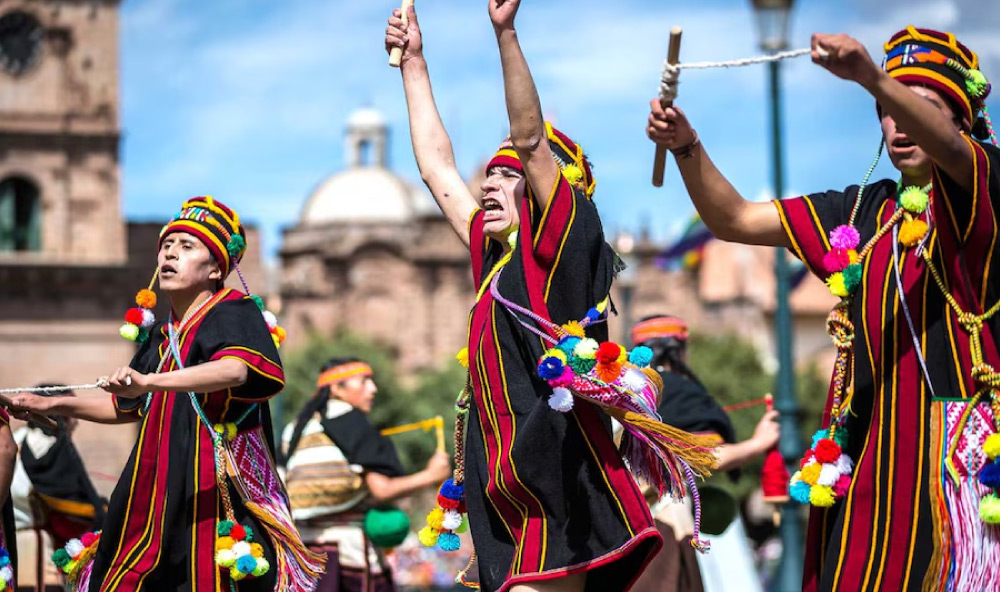

Every year on June 24, the streets of Cusco, Peru burst with color and energy as the Inti Raymi, or Festival of the Sun, takes place. This ancient celebration, passed down through generations, is deeply rooted in the spiritual worldview of the Inca civilization. While it draws thousands of tourists, for Andean communities, it holds profound cultural and spiritual significance.
The Origins of Inti Raymi
The Origins of Inti Raymi
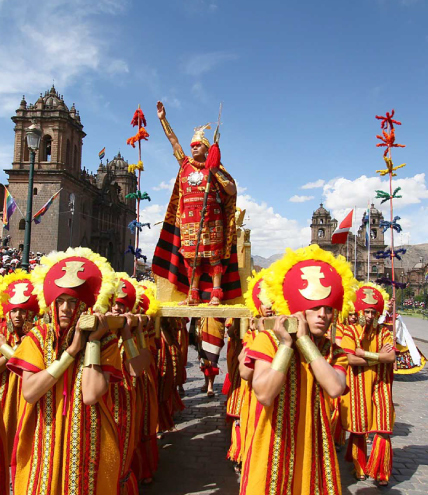
Inti Raymi dates to the 15th century, set up by the ninth Inca emperor, Pachacuti, to honor Inti, the Sun God, considered a divine ancestor by the Inca. Held during the June solstice, marking the shortest day of the year in the Southern Hemisphere, the festival signified the start of a new agricultural cycle and a prayer for plentiful harvests.
For the Inca community, the sun was the source of all life. Rituals included music, dancing, offerings, and animal sacrifices, all meant to ensure the sun’s return and continued favor.
Although the Spanish colonizers suppressed the festival during the conquest, it survived in the memories and practices of local people. In the 20th century, Inti Raymi was revived—not just as a tourist attraction, but as a powerful symbol of indigenous resilience and cultural pride.
Cultural Importance Today
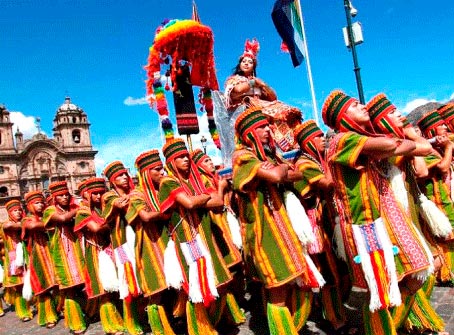
Inti Raymi is more than a tradition, it’s a vibrant expression of the Andean cosmovision. It is a moment of spiritual reconnection, paying homage to Pachamama (Mother Earth) and celebrating the ancestral wisdom and identity carried through generations. Today, it also stands as a public affirmation of Indigenous rights, culture, and dignity in modern Peru.

The celebration is centered around these 3 iconic locations
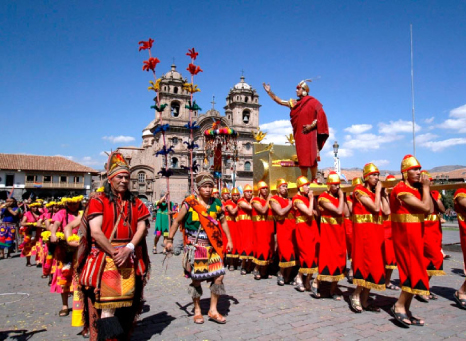
Plaza de Armas
Plaza de Armas
A vibrant parade brings together warriors, nobles, and priests, standing for the four regions of the Inca Empire (Tawantinsuyu).
Qorikancha (Temple of the Sun)
Qorikancha (Temple of the Sun)
The festival opens with the ceremonial appearance of the Inca emperor and an invocation to the sun.
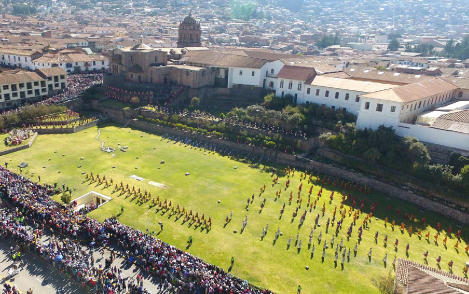
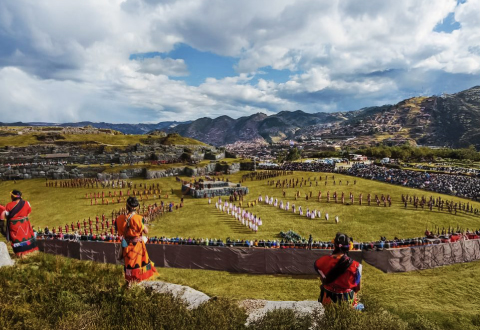
Sacsayhuamán Fortress
Sacsayhuamán Fortress
The grand finale takes place here, with rituals, traditional dances, and symbolic offerings to the sun god.
Hundreds of performers, dressed in handmade costumes, bring the spectacle to life, accompanied by Quechua chants and traditional music.

If you’re planning to attend this unforgettable event in Cusco:
- Book early – Hotels and tours sell out quickly, especially as the date approaches.
- Stay hydrated – Cusco sits at 10,800 feet (3,300 meters) above sea level.
- Use sunscreen – The high-altitude sun can be intense, even in winter.
- Respect local customs – Inti Raymi is a sacred celebration. Always ask before taking photos or approaching participants. Learning a few Quechua phrases like “Allin p’unchay” (Good morning) can go a long way in showing respect and connecting with locals.
Whether you are drawn by the history, the spectacle, or the spiritual energy, Inti Raymi offers a rare window into the living legacy of the Andes—an experience that goes far beyond the surface.